

PRODUCTS
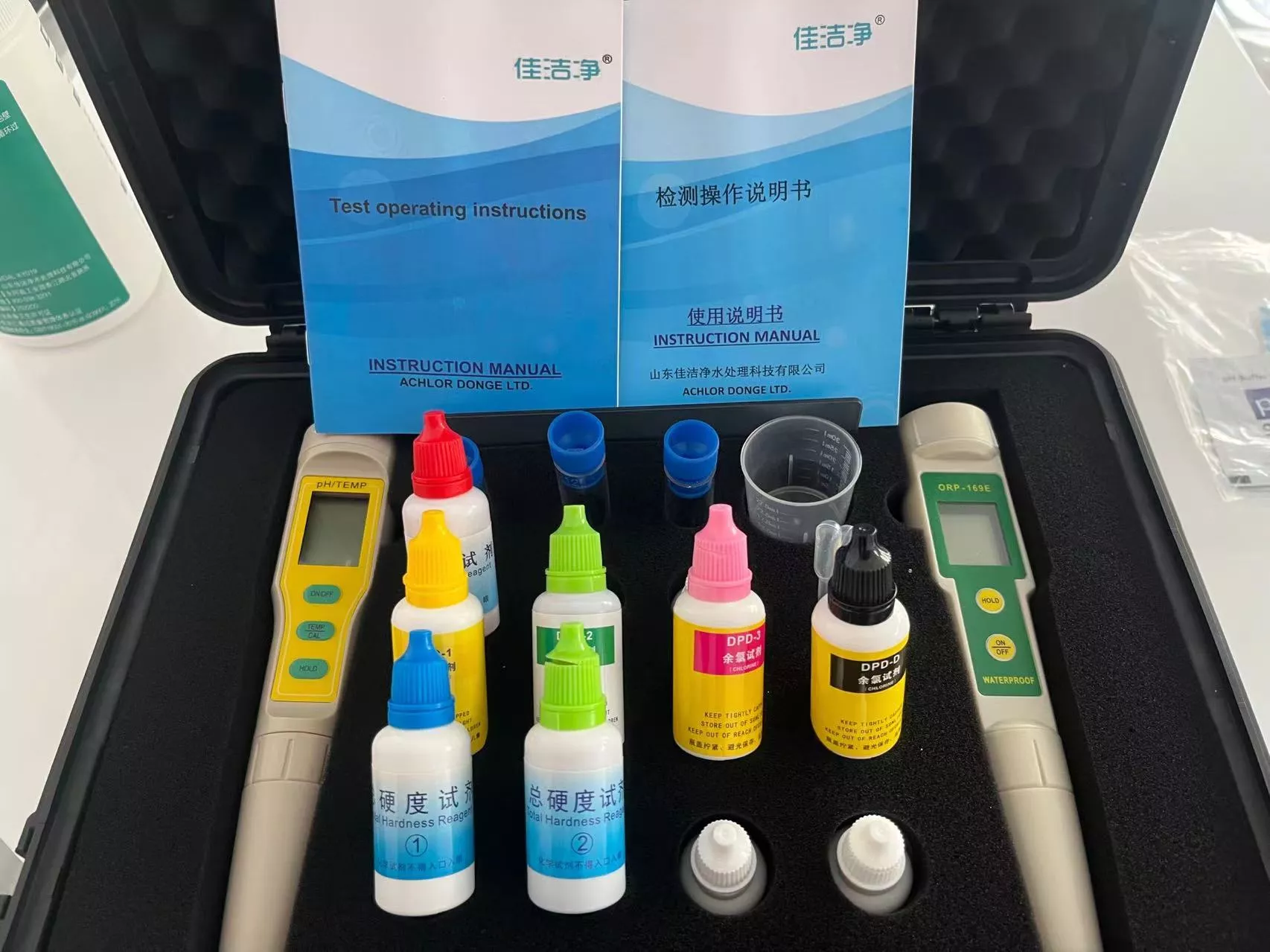
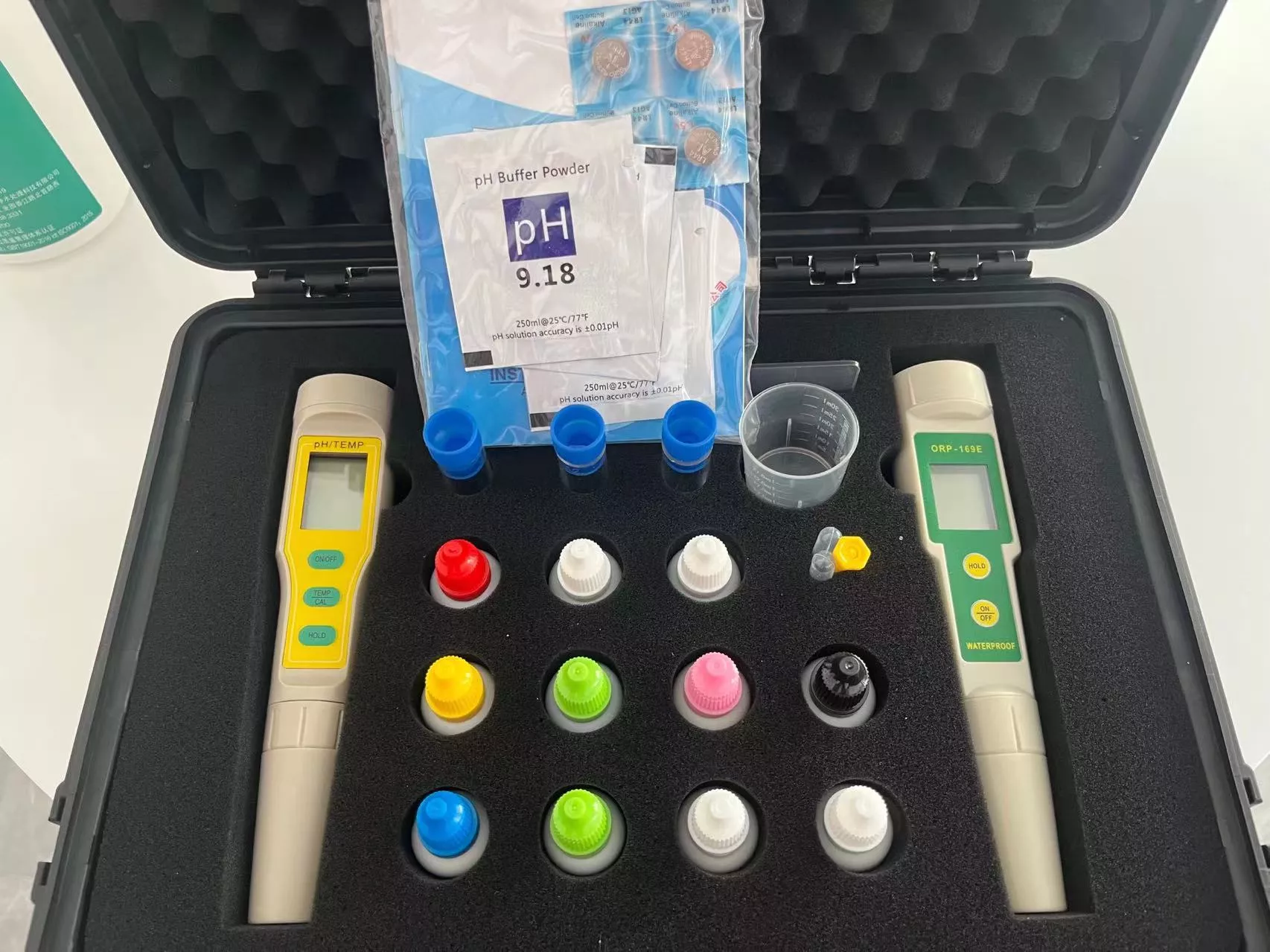
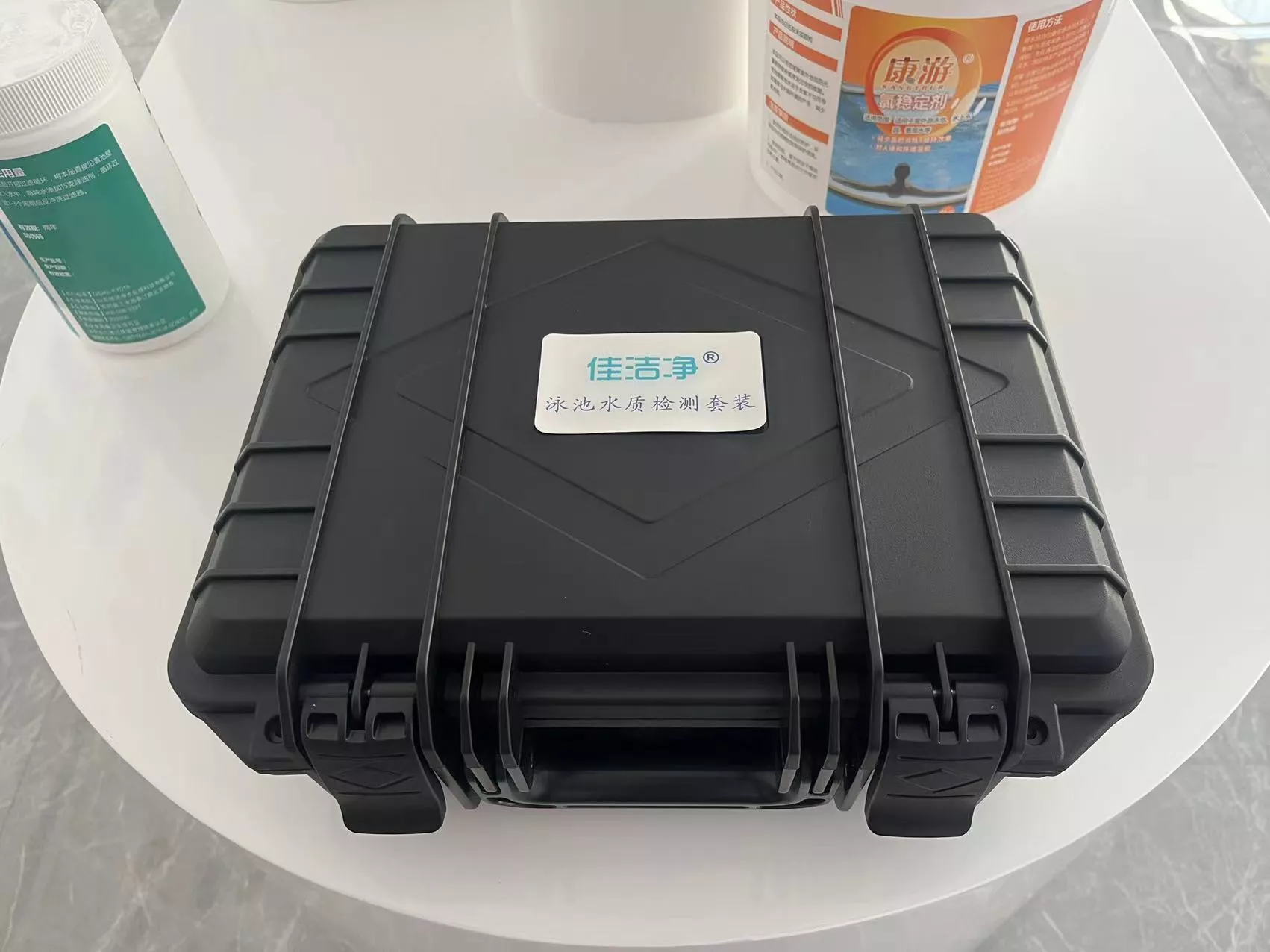
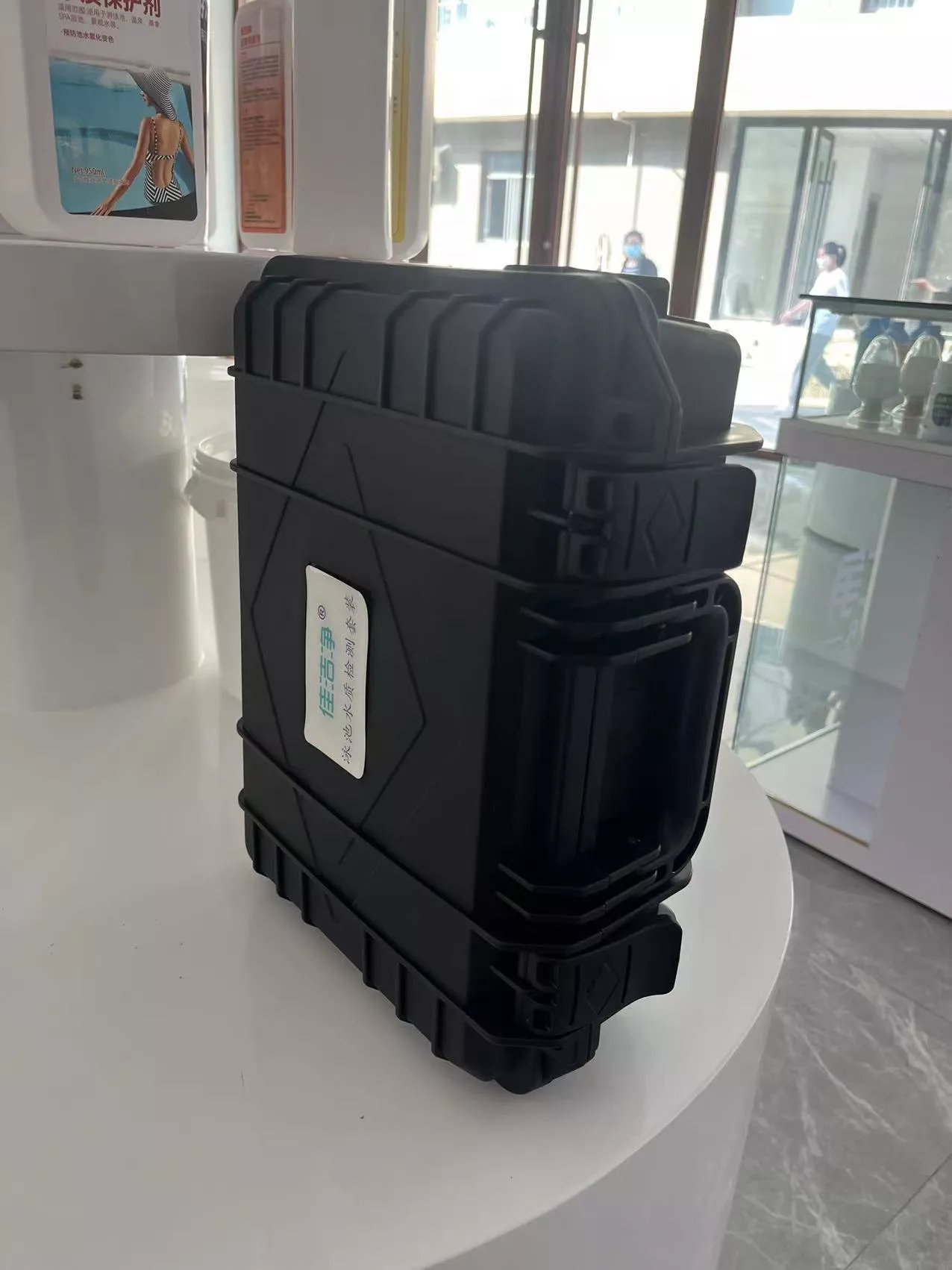
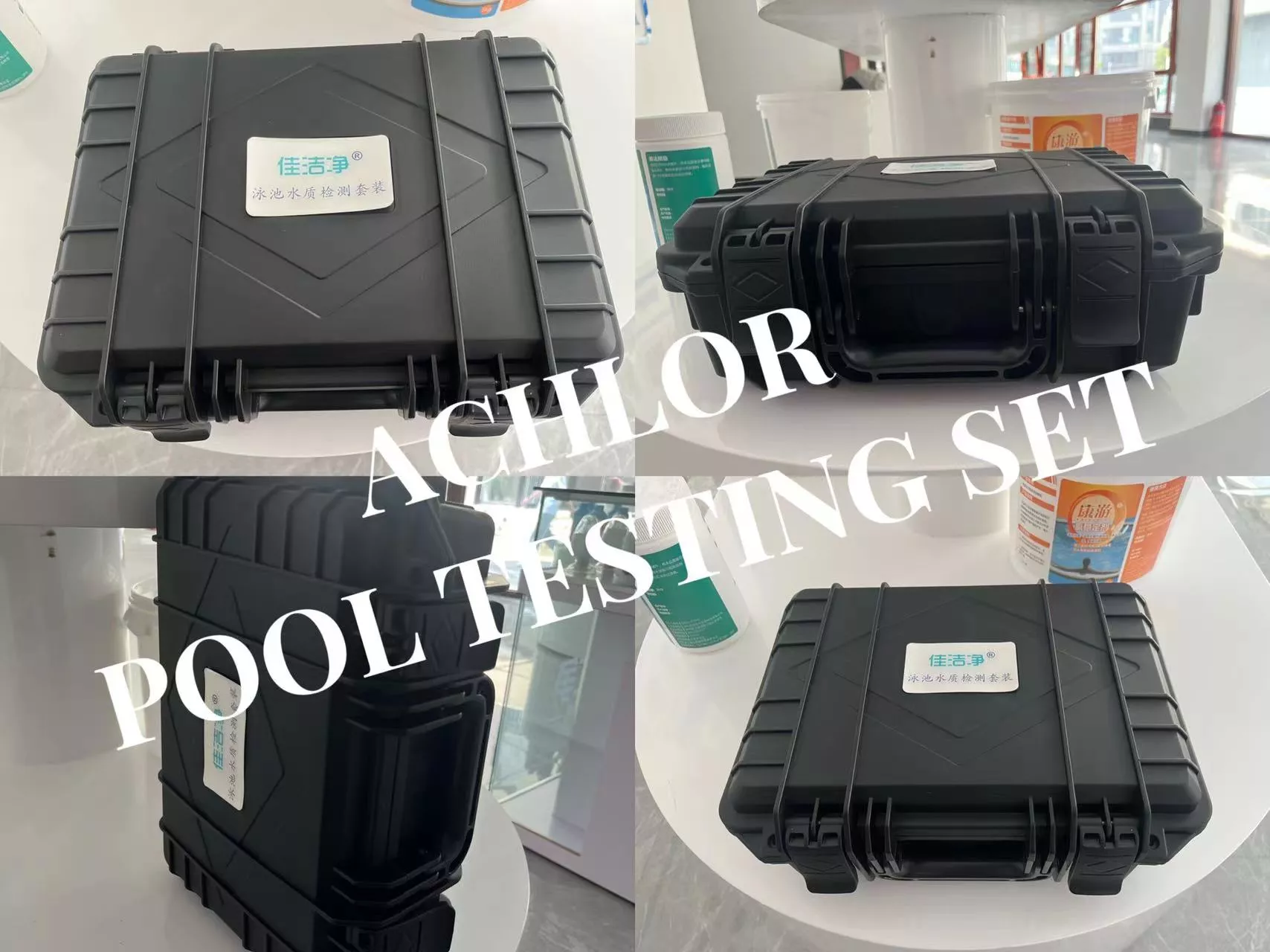
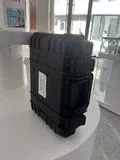
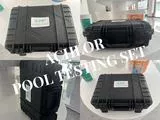
Test Set
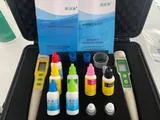
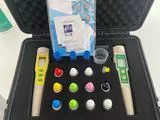
The test kit includes one PC PH-03 rapid test pen, one PC ORP-169E rapid test pen,
Three PCS test tubes, one PC mirror, two PCS pipettes, four PCS DPD series bottles, three PCS total alkalinity reagents, four PCS calcium hardness reagents, one PC Chinese instruction and one PC English Instruction.
The test kit can detect 8 swimming pool water quality indexes includes PH, ORP, free residual
chlorine, combined chlorine, total chlorine, total alkalinity, calcium hardness and underwater visibility.
The test kit has been verified before delivery from factory, please feel free to use.
Achlor chemical Co.,Ltd. is your professional swimming pool water treatment chemical manufacturer in China. We provide a variety of swimming pool products to meet your different requirements.
Achlor Chemical Group
When to Test Pool Water
There is no set guideline for when to conduct various tests on pool water chemistry. Some people test all components daily, and this is a perfectly acceptable schedule. However, many pool experts suggest the following schedule for testing:1
· Chlorine levels: Two or three times each week
· pH: Two or three times each week
· Acid demand test: Whenever pH levels need adjustment
· Total alkalinity: Weekly, unless pH has changed, in which case you should always test the total alkalinity (TA)
· Calcium hardness: Monthly
· Cyanuric acid levels: Monthly
· Total dissolved solids (TDS): Monthly
Total Hardness: Total Hardness measures the amount of calcium and other minerals in your water. Having water either too hard or too soft, combined with other balance factors, can damage pool equipment and surfaces. Maintain Total Hardness between 175—275 ppm.
Total Chlorine: Total Chlorine is the amount of chlorine in your water, including free available and combined chlorine. Maintain Total Chlorine between 1—4 ppm.
Free Chlorine: Free Chlorine measures the amount of chlorine available to sanitize your pool water, which is necessary to kill bacteria and control algae. Maintain Free Chlorine between 1—4 ppm.
pH: pH measures how acidic or basic your pool water is. The measurement is critical to the health of your pool water. Having an imbalanced pH can damage pool equipment, cause swimmer discomfort, and hinder the performance of your sanitizer. Maintain pH between 7.2 to 7.6.
Total Alkalinity: Total Alkalinity and pH are closely related. A low total alkalinity may cause fluctuations in your water’s pH and exacerbate low pH. Having highly alkaline water can cause pH to drift upwards. Maintain Total Alkalinity between 80—150 ppm.
Stabilizer: Stabilizer measures the amount of cyanuric acid in your pool water. Stabilized chlorine lasts longer under direct sunlight and reduces the sun’s impact to chlorine loss. Maintain Stabilizer of at least 30 ppm.